About Course
Approved by NCBTMB, FL BOM, and LABMT for a maximum of 12 CE hours.
CE Broker #20-667614
–Not approved for NY massage therapists
COURSE DESCRIPTION:
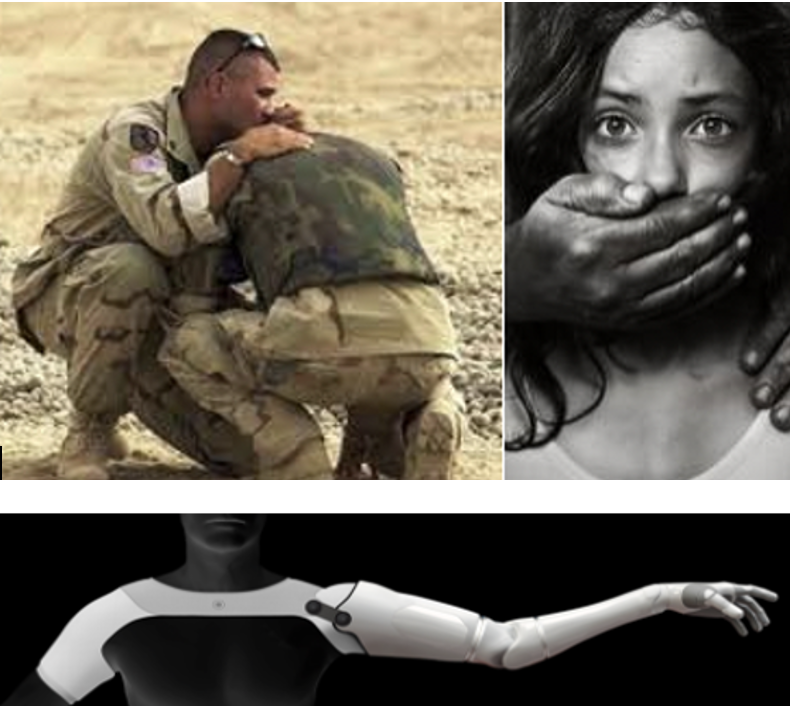
This course comprises two related topics: 6 hours on Post-Traumatic Stress and Anxiety Disorders, and 6 hours on Phantom Limb Pain.
One in five people takes medications for anxiety or depression, and most have suicidal side effects. Massage makes a positive difference for military personnel and civilians. Read studies done by the VA confirming benefits to war vets with these disorders, and learn how to work with amputees having PTSD and phantom limb pain. Specific anxiety disorders are PTSD, OCD, phobias, panic, and general anxiety. Additionally, learn about virtual massage for phantom limb pain, including the mirror box therapy and the doctor responsible for its development. We cover the design and protocol for massage sessions based on information amputees share, including candid sharing of their feelings. Knowing about prosthetics is essential when working with amputees; a section is included. Moreover, as with all our medical-type massage courses, we have included the background science that gives the leading edge needed to stay at the top of your field.
Course Content
POST TRAUMATIC STRESS & ANXIETY DISORDERS and PHANTOM LIMB PAIN
-
COURSE OBJECTIVES
-
POST-TRAUMATIC STRESS & ANXIETY DISORDERS INTRODUCTION
-
SECTION 1: STRESS — MILITARY CHILDREN
-
SECTION 2: PHOBIAS AND PANIC ATTACKS
-
SECTION 3: OBSESSIVE-COMPULSIVE DISORDER (OCD)
-
SECTION 4: POST-TRAUMATIC STRESS DISORDER (PTSD)
-
SECTION 5: GENERAL ANXIETY DISORDER (GAD)
-
SECTION 6: CURING DEPRESSION
-
SECTION 7: MASSAGE THERAPY FOR PTSD & OTHER ANXIETY DISORDERS
-
COURSE OBJECTIVES: PHANTOM LIMB PAIN
-
INTRODUCTIONS: PHANTOM LIMB PAIN
-
SECTION 1: CAUSE, RISK, PREVENTION, DIAGNOSIS
-
SECTION 2: RESEARCH, TYPE OF PAIN, TREATMENTS
-
SECTION 3: MASSAGE THERAPY FOR AMPUTEES
-
SECTION 4: THE PSYCHOLOGICAL PERSPECTIVE
-
(FINAL) SECTION 5: PROSTHETICS
-
TEST Post-Traumatic Stress & Other Anxiety Disorders AND Phantom Limb Pain